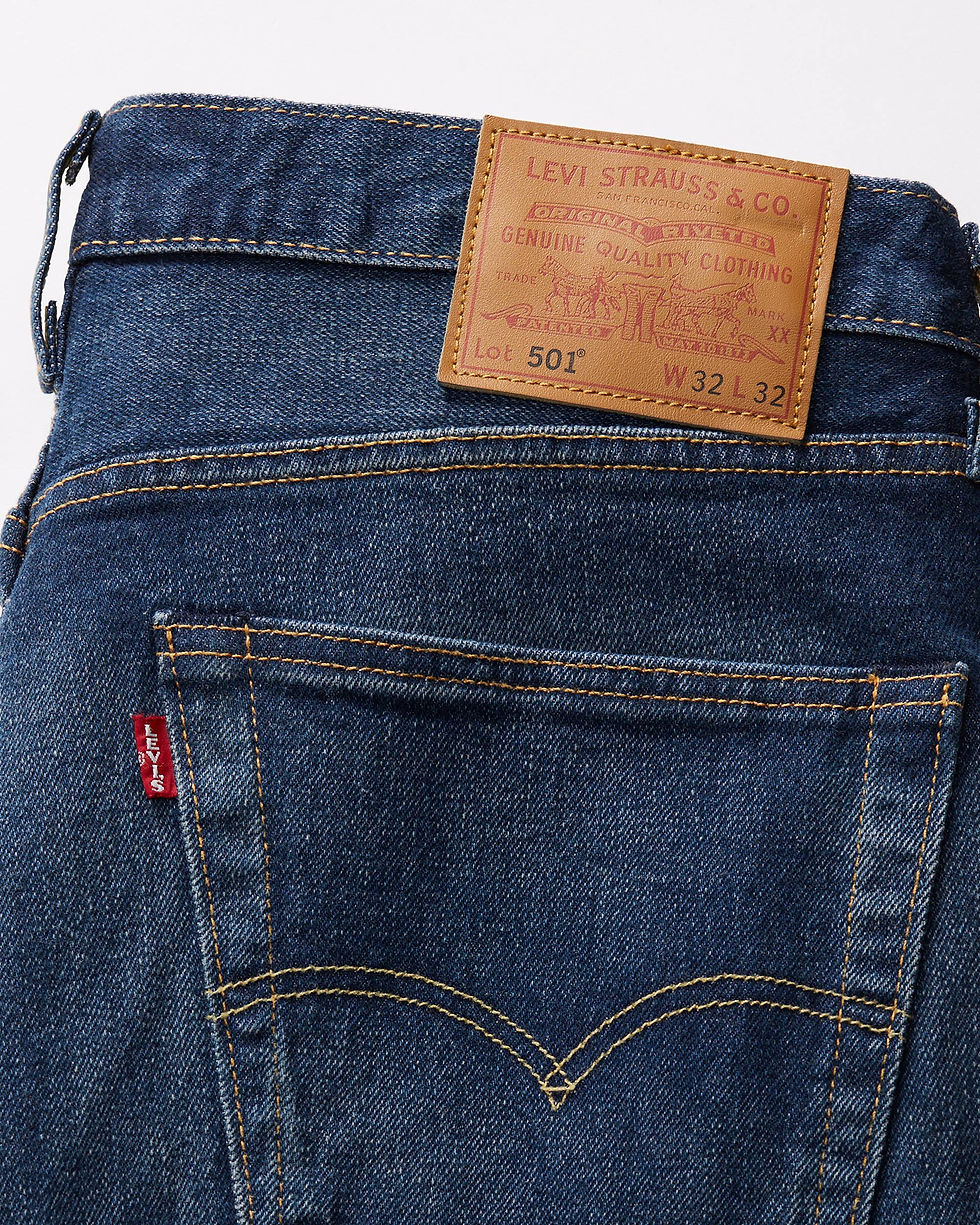
101. Clothes Dryer
- Rainey Knudson
- 6 hours ago
- 2 min read
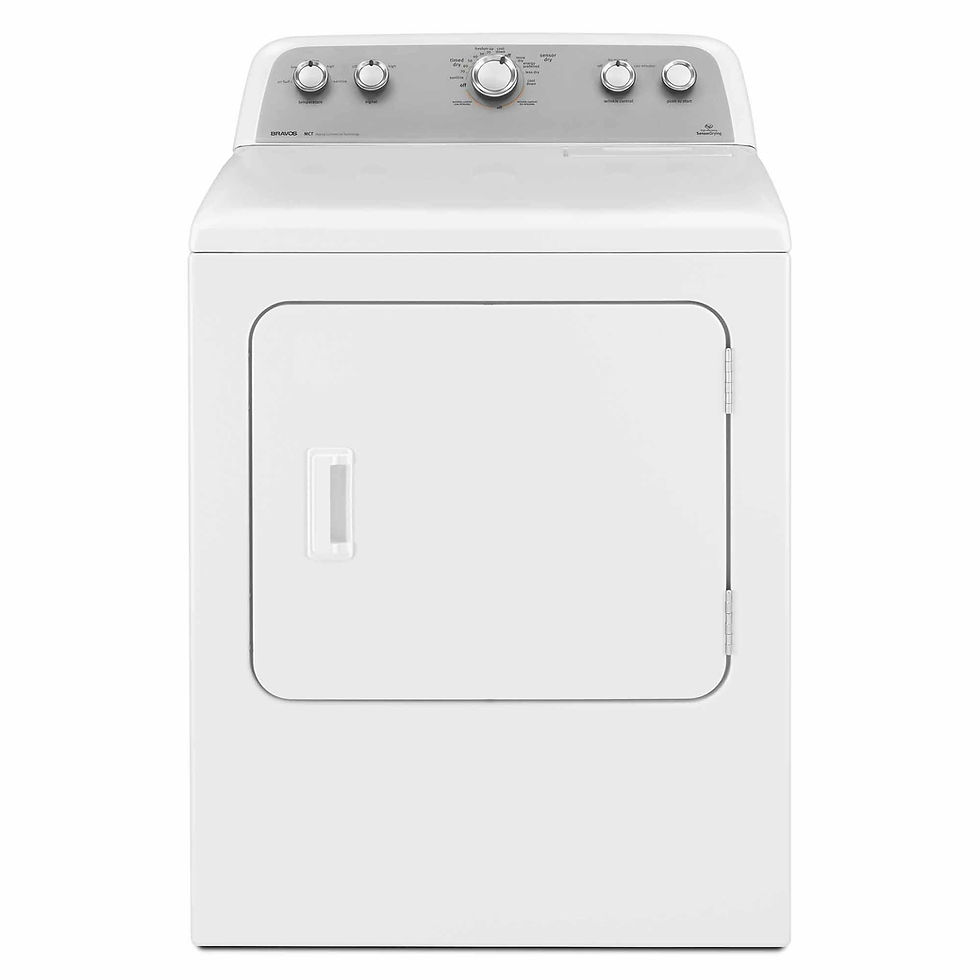
How many of us—or how few—have worn clothes that dried on a line? I did once, staying at an old cottage with my grandmother. The stiffness from line drying soon gave way to a pleasing, sweet-smelling comfort. The clothes relaxed onto me. They didn’t feel pummeled into softness.
But we’re suspicious of the clothesline in this country. We see it not so much as nostalgic as a relic of tenements and slums, an unwelcome, even distasteful reminder of life before modern conveniences. We see it—and countless HOAs have banned it—as something that looks poor.
For well over a century, we’ve looked for ways to automate drying clothes. The first patented clothes dryer was invented in 1892; the mechanical version as we know it came 40 years later. We loved it, and only decades later did it begin to dawn on us how much that heat and motion costs. In 2014, the government added dryers to its ENERGY STAR program, saying that if every dryer sold were certified, we’d save more than $1.5 billion annually in electricity.
But hanging laundry on a clothesline was time-consuming drudgery that was heavily weather-dependent. Or was the drudgery of it—the weather-watching, the pinning of clothes—another meditative task we failed to appreciate? Clothes die a little with each tumble in the dryer, leaving a little more of themselves behind in the lint trap. Our dryers give us pricey convenience, softening our clothes by slowly erasing them.
Special thanks to Lynda Crist for suggesting the clothespin, which led to the dryer.
Links:
This post is part of The American 250, a series featuring 250 objects made by Americans, located in America, in honor of the country's 250th anniversary. 250 words on 250 works, from January 1 to December 31, 2026.
Too many emails? To receive a weekly recap instead, please subscribe on my Substack blog. Instructions for turning on the weekly summary can be found here.
Have something you’d like me to consider for inclusion? Please feel free to leave a comment!